
20 Best Brazilian Books [Literature, Travel & More]
Looking for some books on Brazil? We’ve got you covered with this guide to all the best Brazilian books! We’ve included everything from books that detail the country’s rich history and complex culture, to the best fiction novels written by the greatest Brazilian writers to have ever existed (you probably know the name Paulo Coelho).
Whether you’re looking for a masterclass on Brazilian history or a coffee-table book full of pretty pictures, you’ll find plenty of options in this detailed guide to all the best Brazilian books!
Top Product Overview


Top Products
Best Nonfiction Books On Brazil
Brazil: A Biography

Brazil: A Biography is one of the best books about Brazil to read if you’re interested in the history of this fascinating and vast country. Written by two leading experts on Brazilian history, Lilia M. Schwarcz and Heloisa M. Starling, the book explores a period of more than 500 years of the country’s history.
Everything from the European colonization up to the 2016 Summer Olympics is covered in the novel, as well as a wide range of other topics, including politics, culture, economy, Brazilian society, and much more!
Futebol Nation: The Story of Brazil through Soccer
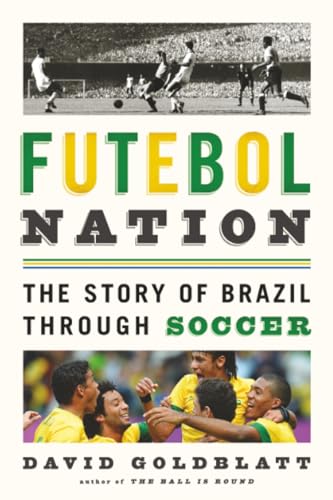
It’s no secret that football is extremely important in the culture and history of Brazil and this book tells the story of the importance of the sport for the nation. The author, David Goldblatt, explores both the good and the bad sides of the sport and its influence in Brazil.
He tells the story of a nation that has produced some of the best football players in the world, but he also sheds light on the corruption, poverty, and violence that are so deeply rooted in the sport.
A Death in Brazil
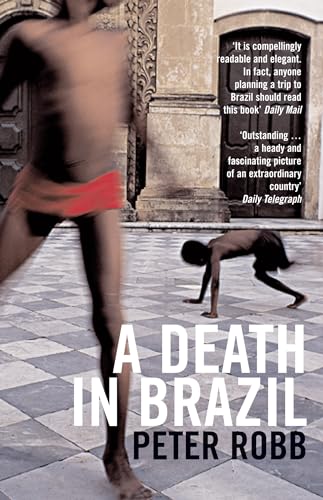
A Death in Brazil is a travel book about Brazil by Peter Robb, but it’s as far from a classic travel guide as it could be. Robb tells the story of his travels through the country, but instead of focusing on the tourist attractions and landscapes, he takes a deep look into the varied past of the country.
Writing about slavery, poverty, crime, and violence, Robb paints a picture of Brazil that’s very different from what you see on the postcards. The immaculate writing makes this harrowing novel impossible to put down, as it immerses the reader deep into Brazil’s history.
Dancing with the Devil in the City of God: Rio de Janeiro and the Olympic Dream

This book tells the story of the state of Rio de Janeiro in the wake of the 2016 Summer Olympics. The author, Juliana Barbassa, recounts her experience in Rio as it comes under the spotlight in the anticipation of the Olympic Games.
Brazil’s capital city had been troubled with poverty, corruption, and drug wars for as long as she could remember, but when she returns from her travels abroad, she discovers that Rio is undergoing a major change. Is everything really as it appears to be, or are they just putting on the show for the onlookers? Pick up the book and find out!
Rebellion in the Backlands

Rebellion in the Backlands is a nonfiction novel that recounts the various military expeditions against the village of Canudos that were promoted by the Brazilian government. The book is thought to be the best work of Euclides da Cunha’s literary career, but also as one of the most important works in Brazilian literature altogether.
Cunha tells the story of the War of Canudos through a different lens, one that is sympathetic towards the oppressed rebels. Although the ideas in this book will seem a bit outdated to modern readers, it’s still one of the absolute best books on Brazil and its history that were ever written.
Best Brazil Travel Books
Lonely Planet Brazil

Lonely Planet’s guide to Brazil is one of the best travel guides to this South American country that were ever written. It features colored maps and detailed lists with points of interest, historic landmarks, and the best bars/restaurants in all the major cities in Brazil.
The guide also includes a list of the best accommodation options in all popular Brazil regions, as well as all the insider info and tips you’ll need to get settled and start exploring the country. If you’re planning a trip to Brazil, pick up this guide to make your life easier!
Brazil (Spectacular Places)

Brazil (Spectacular Places) is one of those coffee table books that everyone enjoys picking up and flipping through. It’s full of spectacular photographs taken in various regions of Brazil, with accompanying text in several different languages.
This book on Brazil is great for those who’ve already been to the country and want a reminder of their travels, but also for people who’ve never visited and want to get acquainted with the country. On top of all that, it’s also a good way to practice foreign languages!
Brazil - Culture Smart!: The Essential Guide to Customs & Culture
Brazil – Culture Smart! is an essential travel guide for anyone who plans to spend more than a few days in Brazil. The book is written by Sandra Branco, a Brazilian-born writer who uses this guide to tell us about Brazilian culture and traditions of the Brazilian people.
If you want to imagine what a day in the life of a Brazilian is like and understand the country’s vast diversity, this is by far the best book on Brazil to pick up.
DK Eyewitness Top 10 Rio de Janeiro

Traveling to Rio de Janeiro? DK Eyewitness Top 10 Rio de Janeiro is a book that you should pick up before your trip! It includes detailed lists of all the best landmarks and attractions in Brazil’s capital city, and it’s a great little pocket guide to help you in your explorations of Rio. The guide covers everything from the best beaches in the city to the must-see museums and top places to shop!
Travel to Brazil: The Cookbook

Travel to Brazil: The Cookbook is THE guide to Brazil for foodies! It was written by Polyana de Oliveira, a Brazilian immigrant who grew up in the US. She was inspired to write this book as the borders closed in 2020, in an attempt to keep interest in her home country alive.
She did a fantastic job – the cookbook recounts her personal story, as well as the stories of people close to her, followed by recipes of their favorite Brazilian dishes. There are also detailed descriptions of foods that are most popular in specific regions of Brazil, as well as recipes for all the staple dishes one should try while traveling the South American country!
Best Fiction Books Set In Brazil
Ways To Disappear
Ways To Disappear is a fictional novel by Indra Novey. It’s a story about the disappearance of a Brazilian author, Beatriz Yagoda, who disappears out of plain sight in the middle of the day in Rio de Janeiro. When her translator hears the news, she rushes to Rio to help Yagoda’s children look for her.
As they attempt to find the missing author, they uncover shocking secrets that make them wonder if they ever truly knew Yagoda. This novel has won many prizes, and it’s thought to be one of the best books published in 2016. If you generally enjoy thrillers and mysteries, there’s no doubt in my mind you’ll enjoy this novel as well!
The War of the End of the World

The War of the End of the World is a novel that tells a fictionalized story of the War of Canudos, the deadliest civil war in all of Brazil’s history. Mario Vargas Llosa reimagines the actual happenings in Canudos, telling the story of the war in his own way, through the eyes of characters on both sides of the conflict.
This exceptional Brazilian literature has received widespread critical acclaim, and it is believed to be Llosa’s most ambitious novel, as well as one of the best works of his entire literary career.
My German Brother: A Novel
My German Brother: A Novel is a book by Chico Buarque, a Brazilian musician and now author about his search for his long-lost brother. The book combines faction and fiction to explore the fascinating narrative, which begins when Ciccio, the protagonist, finds a letter that uncovers his father’s illicit affair.
When Ciccio learns he might have a German brother, he embarks upon a quest of uncovering his identity and meeting him. The story is often comical, courageous, and captivating to read, making it almost impossible to put down the book before you’ve finished it.
Brazil

Brazil by John Updike is an exhilarating novel set in Brazil. It’s a magical realism piece that tells the story of Tristan and Isolde, but they’re teenagers from Brazil. Tristao and Isabel fall in love at first sight and run away to the country’s western frontier shortly after getting married.
The classic story is told in a very different way as it takes place in an imaginary Brazil where magic still rules and anything is possible. If no story is far-fetched for you, you should enjoy reading this one.
Nemesis: One Man and the Battle for Rio

Nemesis is a novel by Misha Glenny that tells the story of one of Rio’s most famous drug lords. Antônio Francisco Bonfim Lopes, better known as just Nem, was a young hardworking father who quickly rose through the ranks of Brazil’s underworld, only to become one of the most wanted criminals in the country.
Glenny chronicles his journey of becoming one of Brazil’s most powerful drug lords, and she examines the culture of violence, crime, and poverty that’s inescapable in Rio de Janeiro. Nemesis is an enthralling true crime novel telling the story of a man who became a notorious criminal out of sheer desperation.
Best Books By Brazilian Authors
Complete Stories

This book includes a collection of stories by Clarice Lispector, a novelist who is believed to be one of the greatest Brazilian writers of the modern age. The stories follow people of different ages with different backgrounds as they go through the various challenges of life.
The wide array of different characters makes it easy for nearly everyone to care about certain characters, and to find stories in this book that are relatable. The book is a must-read for anyone who wants to discover Brazilian literature and its greats.
Dom Casmurro

Dom Casmurro is considered the absolute best novel from Machado de Assis, who is thought to be the greatest writer in Brazilian literature. It’s the perfect novel for anyone who is looking to get into Brazilian literature since it is considered a classic of the genre.
This Machado de Assis novel follows Bento Santiago, the wildly unreliable narrator, who suspects that his wife has been cheating on him with his best friend as he tries to uncover evidence to support his suspicions. As the narrator in Dom Casmurro tries to figure out if his suspicions are valid or if he’s just being paranoid, the story shifts from a tragedy to a dark comedy and vice versa several times for a truly captivating read.
Captains of the Sands
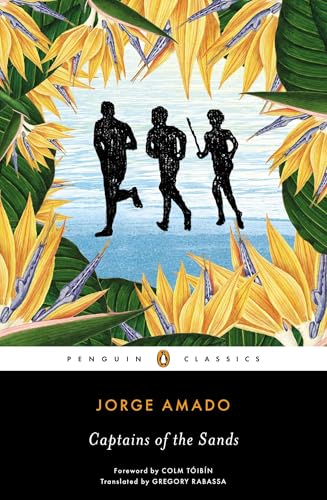
Everyone talks about Paulo Coelho, but Jorge Amado is in many ways just as famous.
Captains of the Sands by Jorge Amado tells the story of a gang of orphans that numbers about a hundred members. The ages of gang members range from seven to sixteen, and they all support themselves by stealing, begging, or gambling on the streets of Salvador.
The novel is extremely popular with students in Brazil, which shouldn’t come as a surprise considering that most teenagers and young adults can find at least one character in the book that they can relate to.
Jorge Amado’s novel was very controversial when it was first released because it was seen as communist propaganda due to the socialist ideals that are described in the book. The novel is thought to be an example of Socialist realism, and it makes for an interesting read, to say the least.
With My Dog Eyes
With My Dog Eyes is a novel by Hilda Hilst, a Brazilian author who is considered one of the best Brazilian writers of the 20th century. Recent translations of her novels have brought them to an entirely new audience, most of whom had never had an opportunity to read Hilst’s works because they were untranslated for so long.
This novel tells the story of Amos Keres, a university professor whose mental health is rapidly declining before the reader’s eyes. Hilst is considered a master of Avant-Garde, and this novel proves that she is without a doubt deserving of that title.
Gabriela, Clove and Cinnamon
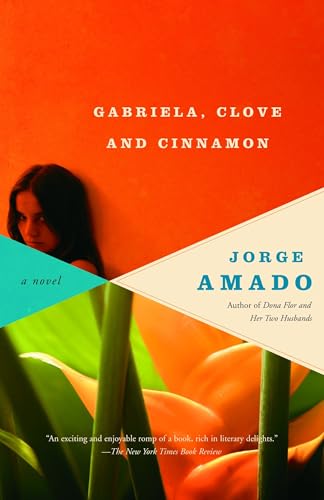
Gabriela, Clove and Cinnamon is another novel by Jorge Amado. It’s a modernist novel that’s considered one of the author’s three greatest works of all time, and it’s a fascinating read. The book tells the story of a small Brazilian town that’s about to undergo a huge transformation.
They’re experiencing a record cacao crop, which is extremely beneficial for their economy. But it’s still a small town with deeply rooted traditions, which the novel brings into focus. The story follows Nacib Saad, a bar owner who falls in love with his new cook, Gabriella.
At the same time, Jorge Amado explores the political battle between cacao plantation owners and the Bastos clan, giving the reader an insight into what life in Brazil was like in the 1920s.
