
Last Updated: September 13, 2023
Can You Bring Frozen Food on a Plane?
Have you ever wondered if you can bring frozen food on a plane? The TSA isn’t trying to come between you and your comfort. They allow certain frozen foods in carry-on and checked bags.
However, additional restrictions may sometimes apply, so read on to learn about bringing frozen food on a plane.
Table Of Contents Show All
Can You Bring Frozen Food on a Domestic Flight?
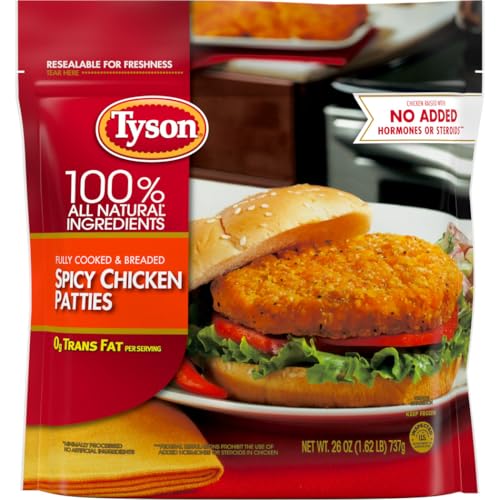
The short answer is yes, but there are some rules you need to follow. The Transportation Security Administration (TSA) allows passengers to carry non-liquid food items, meat, vegetables, and seafood in carry-on and checked bags.
Carry-On Bags
According to the TSA, you can bring frozen food such as meat, seafood, and vegetables to the plane in your carry-on bag. But if you bring any non-solid food items, their size must be 3.4oz/100ml at most.
The main reason behind this rule is that the TSA doesn’t allow passengers to pack liquids, gels, or aerosols on bags if they exceed 3.4oz/100ml.
The TSA also restricts passengers from bringing partially melted foods. So, the ice packs or dry ice in your cooler might need additional screening before going on a plane.
Your ice packs should be completely frozen. The TSA officer might inspect the ice packs to make sure it’s fully frozen and that there’s no liquid in your container. Most major airlines allow passengers to take up to 5.5 pounds of dry ice to the plane.
Checked Bags
Checked bags have higher size and weight limits compared to carry-on bags. So, there are no restrictions on how much frozen food or ice packs you can bring in checked bags.
Can You Bring Frozen Food on an International Flight?

Generally speaking, the same rules usually apply to international and domestic flights. You can safely bring frozen food items on a plane as long as the ice packs are properly frozen and there’s no liquid in the container.
However, specific rules might apply depending on your destination regarding some food types. For example, traveling to Canada, you can’t bring frozen vegetables or fruits into the country. Baked goods that contain meat are also not allowed.
In case you’re traveling to the UK from a non-EU country, you’re not allowed to carry meat-based products. Meanwhile, if you’re going to an EU country from a country outside the EU, you can bring limited amounts of vegetables and fruits, but meat isn’t allowed.
Types of Frozen Food You Can Bring on a Plane
Per the TSA, passengers can bring solid frozen food items such as seafood, meat, vegetables, and fruits in their carry-on or checked bags. However, frozen liquids and gels should follow the TSA’s 3-1-1 rule, which means they must be in a container of 3.4 ounces max.
Still, that doesn’t mean you can bring any type of frozen food on a plane, and that’s for several reasons.
First, airlines usually have specific restrictions and guidelines regarding the type of food you can bring on the plane. So it would be best to contact your airline before your trip to avoid any inconvenience at the airport.
Second, some countries have certain regulations on what types of frozen food can be brought in. For instance, some countries don’t allow meat-based products, while others have restrictions regarding dairy products.
To avoid these problems, research the laws and regulations of the country you’re traveling to. You should also consider the customs process, as some countries ask for health certificates and documentation for some food types.
Note that you can’t bring some types of food on an airplane. For example, liquid or gel items aren’t allowed in your carry-on baggage if larger than 3.4 ounces.
Additionally, alcohol with more than 70% alcohol content is strictly prohibited on airplanes, even if it’s in your checked baggage.
Allowable Quantity of Frozen Food You Can Bring on a Plane
In general, there are no specific limits on the quantity of frozen food you bring to your checked baggage. But you should ensure the weight of your whole baggage, including frozen food items, doesn’t exceed the maximum weight stated by the airline.
That being said, the amount of frozen food allowed on a plane varies depending on the duration of the trip, the airline, and the destination.
Note that even if you stay within the limits of your airline, the staff might ask you to discard or consume some frozen food if they think it exceeds the personal consumption quantities.
Moreover, some airlines have specific regulations regarding the allowable quantity of frozen food you can bring on a plane. That’s why it’s a good practice to contact your airline before your trip and ask about their frozen food limitations to enjoy a hassle-free journey.
How to Pack Frozen Food for Air Travel
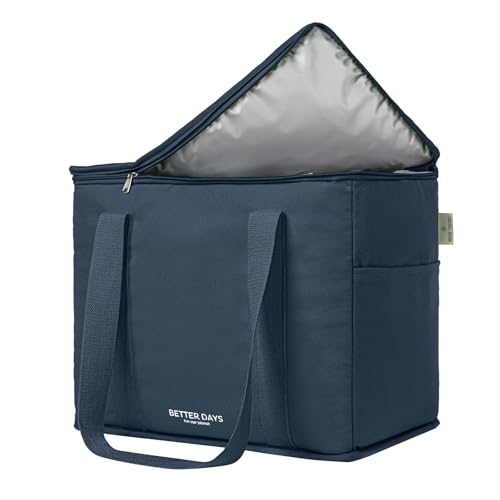
When packing frozen food items for a journey, ensure they stay frozen and don’t thaw during the flight.
Here are some tips on how to pack frozen food for air travel.
Pre-freeze Your Food and Ice Packs Solidly Before Packing Them
The colder your food is, the longer it’ll stay frozen and solid during the flight. We recommend you freeze your food for at least 24 hours prior to your departure.
We understand you like to pack your bags early to avoid forgetting anything. But when it comes to frozen food, it’s best to take it out of the freezer just before you leave for the airport.
Invest in a Well-Insulated Cooler
When traveling for extended hours, there’s a chance that heat gets to your frozen food. That’s why you should insulate your frozen food during flights to stay frozen longer.
Soft-sided coolers are affordable, lightweight, and convenient for traveling. Disposable styrofoam coolers are also handy and come in various sizes to fit every need. For extended flights, a vacuum-insulated container with ice packs would be ideal to keep your food frozen for the longest time possible.
Use Ice Packs
Placing ice packs or dry ice around your frozen food is another easy way to protect your food from the heat. Homemade ice packs might do the trick if you’re on a short flight.
However, I recommend using ice packs designed for coolers for longer flights. That’s because they stay frozen for more hours than regular ice at a lower temperature.
No matter what type of ice you use to keep your food frozen, it must be properly frozen, and there should be no water in the bottom of the food containers.
Can You Bring Frozen Liquid (Such as Frozen Soup) on a Plane?

The TSA rules state that frozen liquids, such as soups and sauces, must be completely frozen and not slushy or partially melted, to be allowed through checkpoints.
However, if the frozen liquid is partially melted or there’s any liquid at the bottom of the container, it must adhere to the 3-1-1 liquids requirements.
Can You Bring Frozen Desserts on a Plane?
Yes, you can. However, it depends on the type of the dessert. As we mentioned, airport security gives huge attention to the physical state of food.
You can bring the dessert on the plane in your carry-on bag if it is solid. That includes brownies, cake, pies, and cookies. However, spreadable items, like sauces and jams, are only allowed in checked baggage.
Food items packed in liquid are also not allowed in carry-on bags. For example, cans of pineapple, corn, and string beans. If the officer can hear the liquid inside while shaking the can, the item should go in your checked bags.
To Wrap Up
You’re asking: Can you bring frozen food on a plane? The short answer is yes. But there are some TSA regulations regarding the state and type of frozen food you bring on a plane. So, as long as you follow the regulations of the TSA and your airline, you’ll enjoy any frozen food at your final destination.
RELATED POSTS:
About the Author Anna Timbrook
Anna is the co-owner of expert world travel and can't wait to share her travel experience with the world. With over 54 countries under her belt she has a lot to write about! Including those insane encounters with black bears in Canada.

