
Last Updated: February 2, 2022
Brazilian Drinks You Must Try
Wondering which Brazilian drinks are so delicious that you absolutely must try them? Then you’re certainly in the right place because this guide covers all the best drinks from the South American country!
Guarana, cachaça, and açai juice are a few of the most famous ones that you might have already heard of, but they’re certainly not the only interesting beverages worth trying while you’re visiting some of those fabulous landmarks in Brazil. Read on to learn more about the most popular drinks in Brazil, and see which ones sound too delicious to miss out on!
Table Of Contents
Show All
Caipirinha
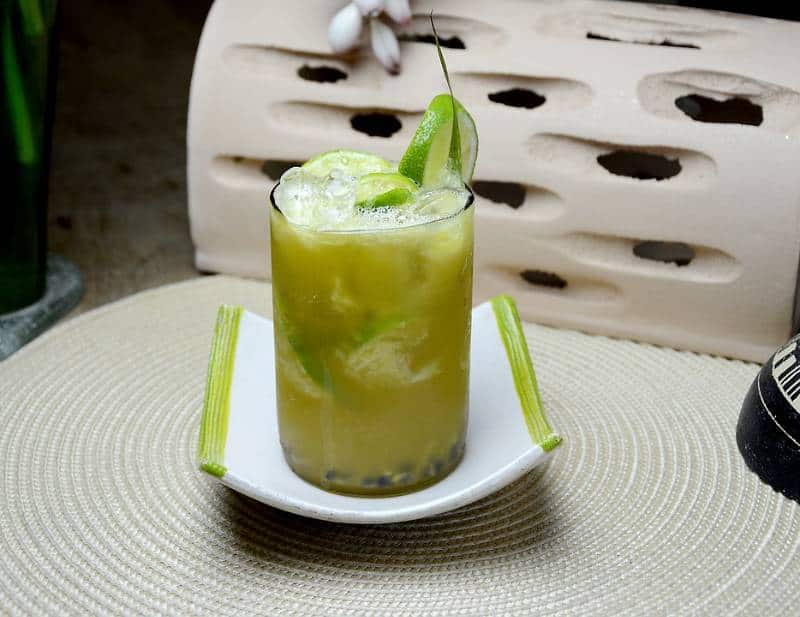
Caipirinha is Brazil’s national cocktail. It’s made with cachaça (Brazilian liquor), lime, and sugar, and it’s usually served over a few ice cubes with chunks of lime.
The popular Brazilian cocktail is made by first mixing the sugar with the fruit, and then adding the Cachaça liquor. It can either be made in a large batch that’s meant to be shared by several people, or in single servings.
There are some variations of caipirinha, but it’s worth noting that Brazilians are quite serious about their national drink. Both the International Bartenders Association and the Brazilian law allow only the cocktail made with lime to be called caipirinha.
This isn’t enforced too much though, and it’s common to see other cachaça and fruit mixes labeled as kinds of caipirinha – strawberry caipirinha, passionfruit caipirinha, etc. In any case, if you’re ever in Brazil and you want to try the most popular cocktail in the country, just be sure to ask for the proper caipirinha, without any extras that aren’t included in the original recipe.
Guaraná

Guaraná is a kind of soft drink made from the guarana plant. The guarana plant is native to the Amazon basin, and it is extremely common in Brazil. The first-ever processing of the plant into syrup was done in Brazil, and that little experiment evolved into a soft drink company that created this classic Brazilian drink.
However, it wasn’t immediately a hit. The first drinks made from the guarana plant were quite acidic and bitter, and people weren’t really into this. Antarctica, a company that is now famous in Brazil for producing this popular soda, developed a specific process that eliminated this bitterness and acidity and emphasized the characteristic fruit flavor.
Guarana is one of those traditional Brazilian drinks that have become so popular that you can find various iterations of them in countries all over the world.
Caldo de Cana
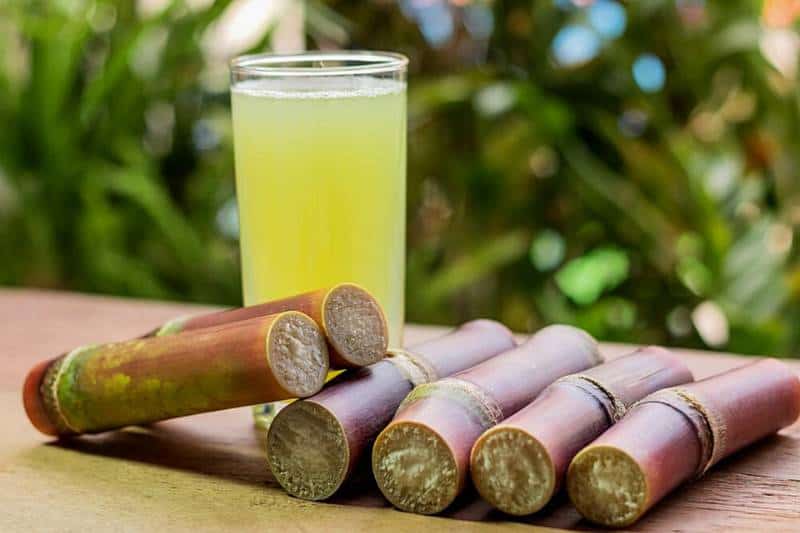
Caldo de Cana, also known as garapa, is the liquid that’s extracted from the sugarcane during the milling process. It’s pretty much just sugarcane juice, it’s absolutely delicious, and it has some excellent health benefits that you might not expect!
Caldo de Cana is full of antioxidants such as phenolic acids and flavonoids. A single 250-milliliter glass of the juice contains some 40 mg of phenolics, which is almost half of the recommended daily intake!
Additionally, caldo de cana is often used to create other sugars like molasses, as well as alcoholic drinks, most notably rum and cachaça. Caldo de cana doesn’t really have a distinct flavor – it’s pretty much like you’re drinking liquid sugar, so it’s best to be cautious with the amount of juice you consume.
Limonada Suíça
Limonada Suíça is Brazilian lemonade that might just change your life. It’s made with lime, condensed milk, a tablespoon of sugar, water, and ice, and it’s a much sweeter and a bit creamier in texture than a classic lemonade.
To make this popular Brazilian drink, you need to slice fresh lime into wedges, cut off its edges, and add it to a blender along with sugar, water, sweetened condensed milk, and ice.
Blend all the ingredients together, and then strain them through a fine mesh into a glass. Serve with lime wedges on the sides, and voila – you’ve successfully made this traditional Brazilian beverage!
The condensed milk gives the lemonade a slightly creamier and heavier texture, but it also accounts for the sweeter taste. Also, lime is generally a bit more acidic and bitter than lemon, so extra sugar is needed to make the lemonade taste great.
Açai Juice
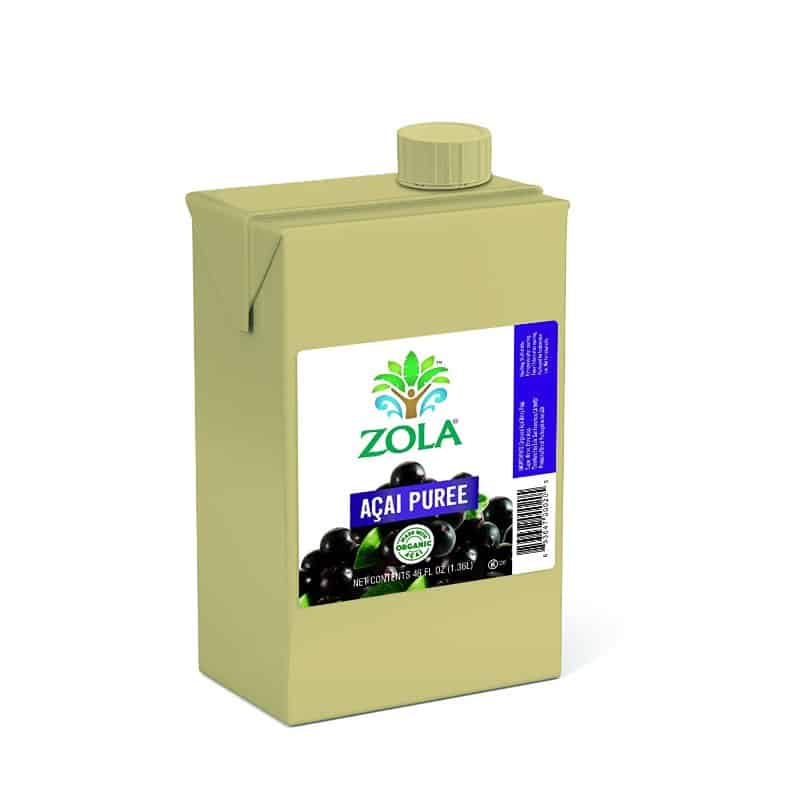
Açai bowls have become incredibly popular in the United States over the past few years, but drinking açai juice has always been a common thing in Brazil. Açai juice is made from berries of the açai palms, which are cultivated specifically for their fruit.
This fruit juice is absolutely delicious and has countless health benefits. The berries are high in vitamins, minerals, antioxidants, fatty acids, and proteins, so they’re extremely good for you. The best Brazilian açai juice is made entirely with natural fruit, and it contains absolutely no preservatives or coloring.
Also, açai juice is often mixed with the juice from different fruit, to create a richer flavor. You can often find açai juice that has added pineapple, guarana extract, strawberries, and pretty much any other fruit out there.
Pure açai juice is also common in Brazil, and both varieties can be found in either cartons or bottles in stores throughout the country.
Batida
Batida is a Brazilian cocktail, and it’s one of the many Brazilian cocktails that are made with cachaça – the hard liquor that’s pretty much the national alcohol of Brazil. In addition to cachaça, the cocktail is also made with sugar and fruit juice.
The most common fruits that are used in Batida are passion fruit pulp, lemon, and coconut. Some variations of the cocktail also add sweetened condensed milk or even sour cream, to enhance the flavor and make the texture creamier.
Outside of Brazil, this popular cocktail is made with vodka, since the availability of cachaça is limited outside the South American country.
The ingredients can be blended or just shaken and served over ice in a tall glass.
Cajuína
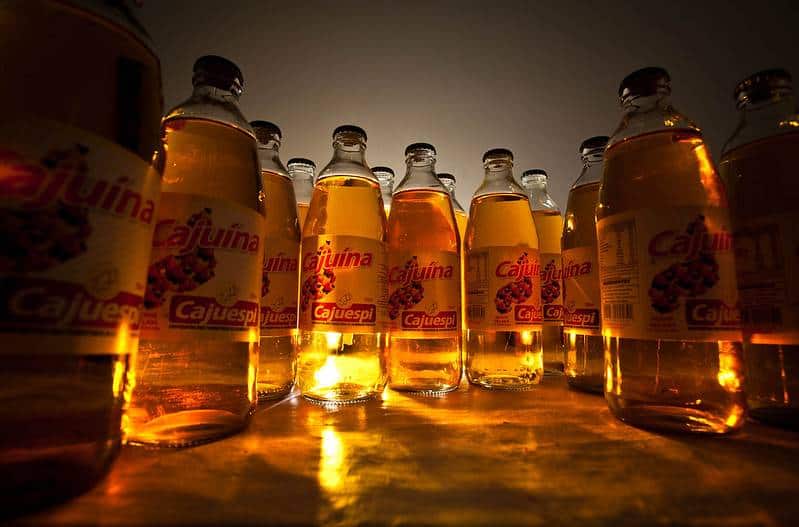
Cajuína is a popular non-alcoholic drink in Brazil. It’s actually the most popular non-carbonated drink in the country, made from blended cashew apples. Cajuína is most common in the northeastern regions of the country, mostly because it was invented by a pharmacist from the area.
To prepare cajuína, cashew juice is extracted from the fruit with large stainless steel presses. That juice is then clarified and sterilized with gelatin or an ultrafiltration membrane, and later on, it’s filtered, usually with cotton filters.
The juice is then poured into glass bottles, which are usually given a water bath. This allows the sugars to caramelize even more, which causes the yellow-amber color characteristic for cajuína.
This popular beverage can be found in most supermarkets throughout the country, but the best selection is in the northeast regions since that’s where cajuína is most consumed.
Capeta
Capeta is a popular alcoholic drink in Brazil. It’s also known as the Devil’s Cocktail, but that’s just because capeta is the Portuguese word for devil.
The cocktail is made with cachaça, sweetened condensed milk, guarana extract, sugar, cinnamon powder, and crushed ice. All the ingredients should be shaken together until the mixture is very smooth and homogeneous, and the cocktail should be served in a wide glass over a lot of ice.
Capeta is very creamy and has a sweet taste, and it’s the perfect Brazilian cocktail for anyone who prefers chocolaty to fruit drinks. It’s worth noting that the sweetness kind of masks the alcohol taste, so it’s very easy to go overboard with these delicious Brazilian cocktails!
Alua
Alua is a classic non-alcoholic drink in Brazil. There are several variations of the drink, but the most common version is to create a fermented base from either pineapple rinds or crushed corn. Alternatively, it’s possible to use some other fruits or even just stale bread to make the base.
The base should be fermented with brown sugar and water, and it should be left to ferment for several days. Fermentation makes the drink fizzy and sour, and the longer the base ferments, the sourer the alua will eventually taste.
It’s worth noting that are quite a few versions of the recipe. Some call for sugar cane instead of brown sugar, others will also add cassava flour to the base, and it’s common to add cloves and grated ginger to further enhance the flavor.
Alua is served cold and it’s a rather refreshing beverage. It’s quite cloudy and has a color that’s a mix of brown and yellow, depending on the exact ingredients used in the beverage.
Caipiroska
Caipiroska is a classic cocktail in Brazil that’s quite similar to caipirinha. The key difference is that caipiroska is made with vodka and not Brazilian cachaça, which is also why it’s often called caipivodka.
Other ingredients in the popular cocktail include lime juice, brown sugar, turbinado or raw sugar, and crushed ice. To make this delicious cocktail, you’re supposed to first squeeze the juice out of the lime wedges.
Then add the wedges to the glass and mix them with the sugars. Add the vodka and crushed ice, stir for a bit so that some of the ice melts, and garnish with a wedge of lime on the side.
The brown sugar is what gives the drink the classic dark color, but it’s worth noting that some recipes call for using only turbinado or raw sugar, to make the drink lighter in color. Another recipe calls for just putting the lime wedges in the glass without extracting the juice first.
About the Author Anna Timbrook
Anna is the co-owner of expert world travel and can't wait to share her travel experience with the world. With over 54 countries under her belt she has a lot to write about! Including those insane encounters with black bears in Canada.

