
Last Updated: September 1, 2023
Can You Take Knitting Needles on a Plane? (TSA Rules)
Air travel can sometimes feel like an eternity, especially for those who seek engagement beyond the in-flight movie selection. Knitting presents itself as the perfect antidote to pass the time, but can you take knitting needles on a plane? Let’s find out.
Table Of Contents Show All
Can You Bring Knitting Needles in Carry-on Luggage?
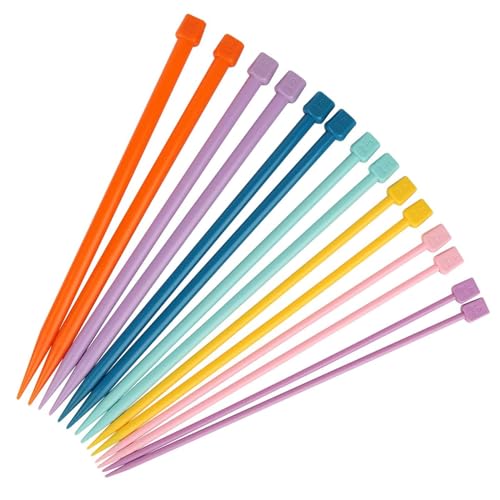
Yes! According to the US Transportation Security Administration, you’re allowed to bring knitting needles in your carry-on luggage. The same is said for crochet hooks. However, this rule doesn’t apply to other knitting materials, like scissors and thread cutters.
Generally, scissors and thread cutters that measure less than four inches in length are allowed on-board. Any longer and they’re considered a security threat, so they must be packed in your checked baggage.
The scissors should also be sheathed or securely wrapped to minimize the risk of injury to passengers and airport staff. To avoid questioning, it’s best that you bring nail clippers to cut your yarn if you need them.
That said, the decision on whether knitting needles (and other knitting items) are allowed in your carry-on falls on the shoulders of airport security personnel.
While TSA has formal guidelines, TSA officers exercise great caution in their evaluations, often leading to varying outcomes depending on the circumstance.
Can You Bring Knitting Needles in Checked Luggage?
Yes, you can bring knitting needles in your checked luggage, along with other knitting items like scissors, thread cutters, and crochet hooks.
The final decision is still subject to the discretion of airport security, but most airports allow these items without issue. Being prepared can help simplify the security process. Pack your knitting supplies in a pouch or linen bag that you can close or zip, and store them in a way that prevents any accidental damage or injury.
Bringing Knitting Needles on Domestic & International Flights

While knitting needles and related tools are permitted in carry-on or checked luggage within the US, the same can’t be said in other countries.
Each country has its own aviation security regulations that passengers must adhere to. Just because the American TSA lets you travel outside the country with knitting needles, it doesn’t mean another country will let you back in.
Because of this, it’s important that you research the country’s airport regulations when packing your knitting tools. Check the airport’s official website or contact relevant authorities to get accurate and up-to-date info about the country’s policies.
Many countries in the EU adopt the regulations provided by the European Commission on Transportation and Mobility, which bans generally sharp objects. However, the guide doesn’t specifically mention knitting needles.
Therefore, knitting needles often fall into a gray area. Some airports are more lenient towards knitting needles, while others exercise greater caution.
Here are the countries that specifically allow knitting needles in a carry-on:
- United States
- United Kingdom
- Canada
- Finland
- Japan
- Australia
- Sweden
- Norway
On the other hand, these countries specifically ban knitting needles on board:
- Mexico
- France
- United Arab Emirates
Types of Knitting Needles You Can Bring on a Plane
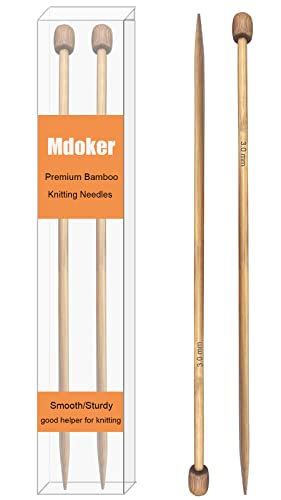
Here’s a rundown of the types of knitting needles that are generally allowed for air travel:
Circular Needles
Circular knitting needles come with two-needle tips and a cable. They’re commonly used for tubular projects like socks, sleeves, mittens, and hats.
Circular knitting needles are less threatening than straight needles due to their design and intended use. They’re shorter than straight needles, too, usually between six to 16 inches long.
These needles have one sharp tip and one rounded tip. They’re designed exclusively for knitting, minimizing their likelihood of being used outside that purpose.
Interchangeable Needle Sets
Interchangeable knitting needle sets come with a range of needle tips of varying sizes. These tips can be made from materials like metal, bamboo, wood, or plastic. They also come in different lengths. On an X-ray machine, the detachable parts are nearly indistinguishable from regular pens and pencils.
Interchangeable needles are rarely considered a threat. Even if they were used as weapons, their potential to harm is substantially lower than other needle types.
Straight Needles
Straight needles are allowed on most flights, but they’re often looked at with more scrutiny. This is because, among all needle types, straight needles appear the most threatening—especially when they’re made with metal.
The two sharp ends of straight needles have a higher potential for harm, which can lead to security personnel giving them closer attention during screening.
To avoid any issues, it’s best to leave your straight needles at home and bring circular or interchangeable needles. If you can’t work with other needle types, use plastic or wooden straight needles rather than metal ones.
Airline-Specific Policies for Bringing Knitting Needles on a Plane
Here are the airline-specific policies for bringing needles on board:
- Pack your knitting needles in a sturdy container to avoid damage during travel.
- Wrap your knitting needles in a protective covering to prevent accidental poking.
- Visit the website of the airline you’re flying with for specific information about whether they’re allowed in carry-on luggage, checked baggage, or both, as well as how to properly store them.
How to Pack Your Knitting Needles for a Flight

When packing your knitting needles, opt for a specialized knitting case or wrap your needles in a soft fabric to prevent damage. To mitigate concerns during security checks, attach protective caps to your needles.
Frequently Asked Questions
Can you knit on a plane?
Most airlines allow passengers to knit on the plane, as long as the knitting needles adhere to the flight’s guidelines and regulations. Make sure to ask a flight attendant for permission before knitting on the plane to avoid unnecessary complications.
Can you bring crochet hooks on a plane?
Yes, you can bring crochet hooks on a plane. Opt for crochet hooks with rounded or blunt tips because they’re less likely to raise concerns during security checks.
Can you bring yarn on a plane?
Yes, yarn is allowed in planes. It’s soft and pliable, so it doesn’t pose any immediate threat to the security or safety of the plane.
RELATED POSTS:
CAN YOU BRING SCISSORS ON A PLANE?
About the Author Anna Timbrook
Anna is the co-owner of expert world travel and can't wait to share her travel experience with the world. With over 54 countries under her belt she has a lot to write about! Including those insane encounters with black bears in Canada.

