
Last Updated: February 13, 2022
Russian Drinks You Must Try
Whether traveling or not, it’s always fun and interesting to try food and drinks from another country or culture. It’s an enlightening experience, and we often learn things we didn’t know. For example, many Westerners think of Russians as stoic and serious in spite of the Lollipop Land architecture. Or that their only drink is vodka. Neither is true. Russians are fun-loving and versatile as you will see when you try these traditional drinks from Russia.
Table Of Contents
Show All
Sbiten

On cold winter days, Russians drink this hot, sweet beverage to warm up quickly. It’s a sweet drink that has a honey base with added spices like ginger, cinnamon, cloves, and sometimes citrus or even daisy. It can be made into an alcoholic beverage by adding wine or vodka.
Sbiten was a trendy drink thousands of years ago and sort of a predecessor of coffee or tea as a morning drink. Foreign sailors called Sbiten “Russian mulled wine” and carried it in vessels similar to samovars, metal containers used to heat and boil water.
Russian Vodka
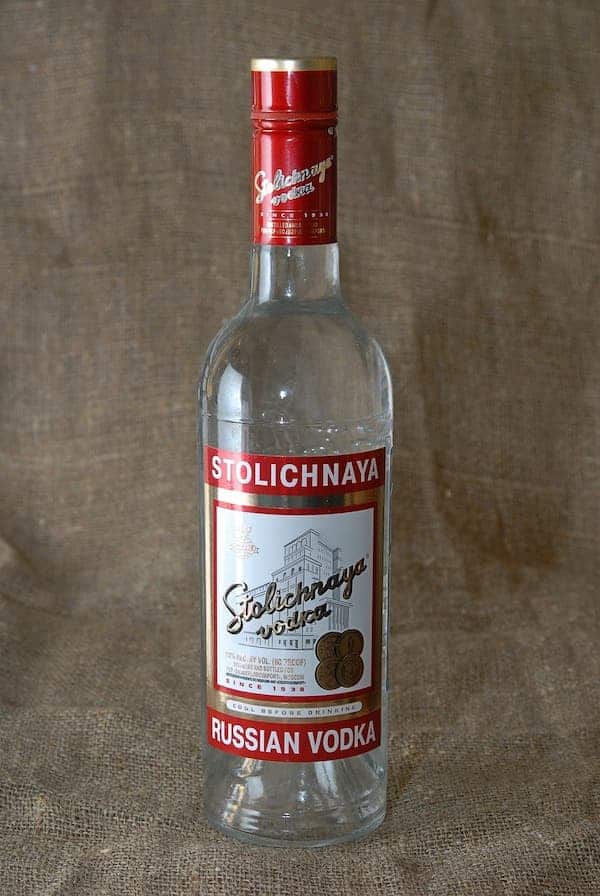
It is thought that vodka has been around since the 15th century or even earlier. Both Russia and Poland claim to be the first to distill the liquor made from fermented potatoes or grain. The strongest and purest vodkas are distilled multiple times.
The Russian government used to tightly control the production and consumption of vodka, but that isn’t the case today. It’s sold in shops and bars, and if you travel in Russia, be sure to take a bottle of authentic Russian vodka home. Some top brands to look for are Russian Standard, Beluga, and Stolichnaya.
Kvass

Image courtesy of Flickr
Kvass is an ancient drink and the oldest in Russia. It’s made of fermented grain, water, sugar and may include honey, mint, raisins, or berries. It’s sometimes called “Russian cola,” and is a refreshing drink for hot weather. The homemade version is healthier than the manufactured soda-like drink you’ll find in Russian supermarkets, and although it contains about one percent alcohol, it isn’t really thought of as an alcoholic beverage. Think of it as Russia’s O’Douls.
Kefir
Milk-based kefir is a fermented dairy beverage with powerful antibacterial properties similar to yogurt. Like other dairy products, it comes with different percentages of fat with differing additions such as dill or cucumber. The taste is tangier than plain yogurt.
Kefir is good for the immune system, helps with digestive problems, and may even be useful in treating cancer. Thanks to its health benefits, it’s becoming popular worldwide. You’ll find kefir in literally every supermarket in Russia. To get the healthiest version, look for Kefir with a shelf life of no more than 10 days.
Kompot

Image courtesy of Wikimedia
Kompot is a traditional Russian beverage served hot or cold depending on the season. It’s a sweet, fruity drink made from cherries, strawberries, apples, pears, or most any fruit or a combination of fruits. Some versions are made with dried fruits like prunes, raisins, or dried apricots. The fruit is simmered with water and sugar, or sometimes honey.
Kompot is simple to make at home. It’s a great project to do with kids. Just boil 8 cups of water and add 1 cup of sugar. When the sugar melts, pour the syrup over 1 lb of fruit in a jar. Close the jar and leave the kompot to cool.
Mors
Another traditional Russian drink, Mors is made from tart berries such as cranberries, raspberries, tart cherries, or blackcurrant. It has a consistency similar to kompot, but the fruit is mashed instead of left whole. The berries are boiled in water and filtered before adding sugar. It may also be made by mashing the berries into a puree before adding hot water and sugar.
Mors is typically served cold as a summer drink, but may also be served hot in winter, especially as relief from a cold.
Ryazhenka
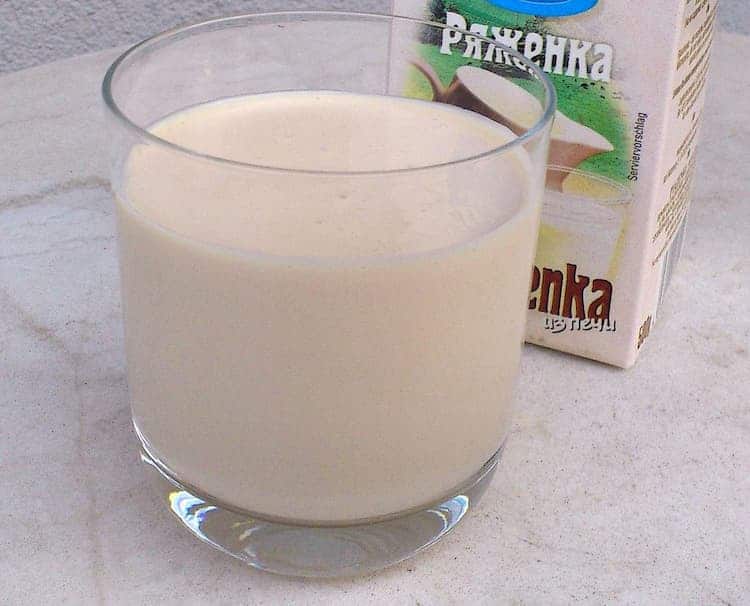
Image courtesy of Wikimedia
By now, you’ve seen that the Russians are fond of fermented drinks, and one of them is Ryazhenka, a yogurt-like drink made from cow’s milk and fermented with lactic acid bacteria. The consistency is different from other drinks. The milk is sort of baked giving the drink a caramel flavor, delicate texture, and creamy taste.
Ryazhenka is packed with calcium and vitamins and is very beneficial to the immune system. Drinking it regularly helps the digestive system.
Tip: add a shot of vodka and you’ll have a Russian pina colada!
Tea
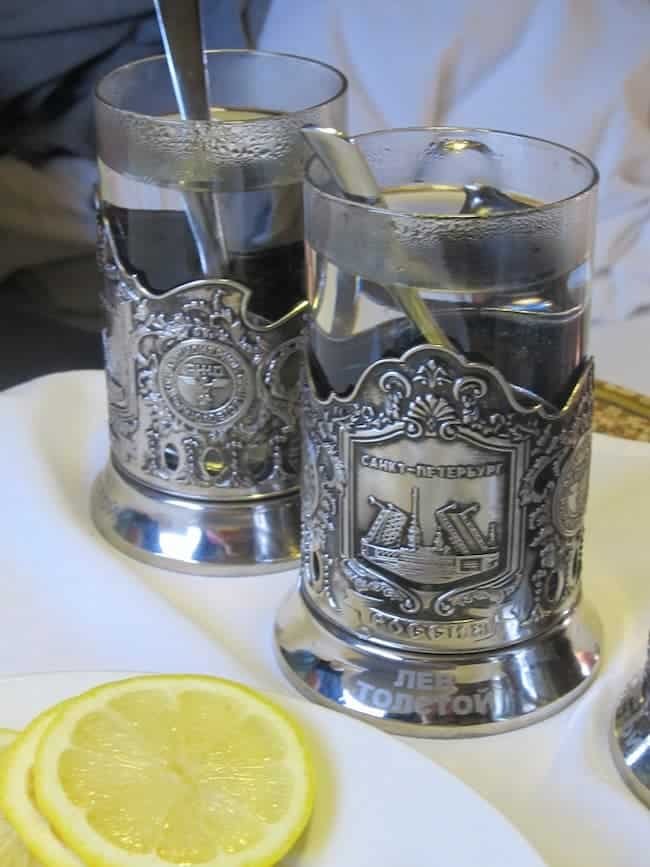
Drinking tea is a big part of Russian culture, so much so it’s considered to be the national drink of Russia. Russians drink tea hot or cold, but it’s especially consumed hot due to Russia’s cold northern climate.
Tea is trendier than coffee for breakfast, and the Russians love to drink it any time and anywhere. They drink tea after lunch, after dinner, and with dessert. And Russians love any type of tea including herbal tea, green tea, black tea with lemon, and many more varieties.
Medovukha
One of the oldest alcoholic beverages in Russia, Medovukha is similar to mead. It’s made from, water, honey, yeast, and sugar and fermented in large wooden casks for days, weeks, or even years. The recipe is limited only by the imagination, and you can add spiced herbs, berries, and fruit or fruit juice.
Medovukha was eventually replaced by beer and wine over time because it was more easily mass-produced. The fermented drink was practically forgotten by the 17th century but has grown in popularity again especially in cities within the Golden Ring of ancient cities near Moscow. It’s easy to find in shops, restaurants, and cafes, and on the streets during public holidays.
Kissel

The first time you see kissel, you’ll probably wonder if you should drink it or eat it. Made from various fruits and berries and cooked with starch, it has a very thick consistency.
Many years ago, kissel was the most popular sweet drink in Russia. It was prepared using wheat, rye, or oat broths, and the consistency was more like jelly than a beverage. The taste was sour, but over time, honey, jam, or berry syrups were added to make it sweeter. The drink turned into an after-dinner dessert.
During the Soviet years, kissel grew in popularity. It was common practice to use dried jelly briquettes which were simply cooked in boiling water.
About the Author Anna Timbrook
Anna is the co-owner of expert world travel and can't wait to share her travel experience with the world. With over 54 countries under her belt she has a lot to write about! Including those insane encounters with black bears in Canada.

