
Last Updated: August 10, 2021
Helsinki Facts – Surprising & Interesting
Helsinki is the capital of Finland and the second-most populous city. About one in every five Finns reside in the metropolitan area. The city has a rich and interesting history, yet it’s ultra-modern and constantly evolving.
The people in Helsinki can seem a bit distant but once you get to know them, they’re welcoming and helpful to tourists. These 15 facts will help get you familiar with the city and make your visit to Helsinki a more enjoyable experience.
Table Of Contents
Show All
Helsinki is one of the world’s coldest capital cities.
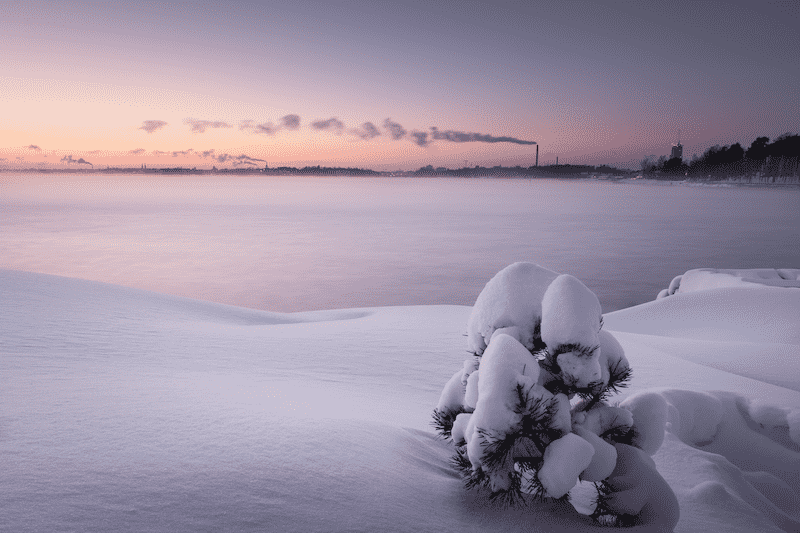
The sun does not shine in Helsinki for 51 consecutive days in winter, making it one of the coldest cities on the planet. The city has snow for an average of 101 days per year and the average annual temperature is a chilly 29.7 degrees F(-1.3 C). Only three capital cities in the world are colder: Ulaanbaatar, the capital of Mongolia, Astana, the capital of Kazakhstan, and Moscow.
Helsinki has a variety of landscapes.
You’d be hard-pressed to find a city with more varied terrain than Helsinki. This unique capital city not only includes the mainland on the Gulf of Finland but also covers around 300 islands interconnected with bridges. The forested parks, cityscapes, islands, and bays are all picturesque, helping the city to be named as the 19th best city to reside in back in 2018.
Russia once ruled the city of Helsinki.
Prior to gaining its independence in 1917, Helsinki was first ruled by Sweden and then Russia. Russia began developing Helsinki upon gaining control of it after several wars. The city even supported Hitler during World War II. Once Finland became an autonomous province, Helsinki became the capital and remains so today.
Helsinki’s city design is patterned after St. Petersburg.
Helsinki was founded in the 16th century, but the way it looks today actually took shape in the 19th century. When the Russians had control of the city, they laid it out along the same lines as St. Petersburg. This is how Finland’s capital city got its broad streets and neoclassical mansions.
A giant maritime fortress still exists in the city.
Spread across seven islands, the huge maritime fortress Suomenlinna was put up by the Swedes in the mid 19th century to defend their territories in the east. Despite the fortress, Russia took Helsinki at the beginning of the 19th century. Not much has changed at this amazing fortress with its star-shaped walls, and you can visit it by boarding the ferry from Kauppatori.
You’ll find the largest orthodox church in western Europe in Helsinki.
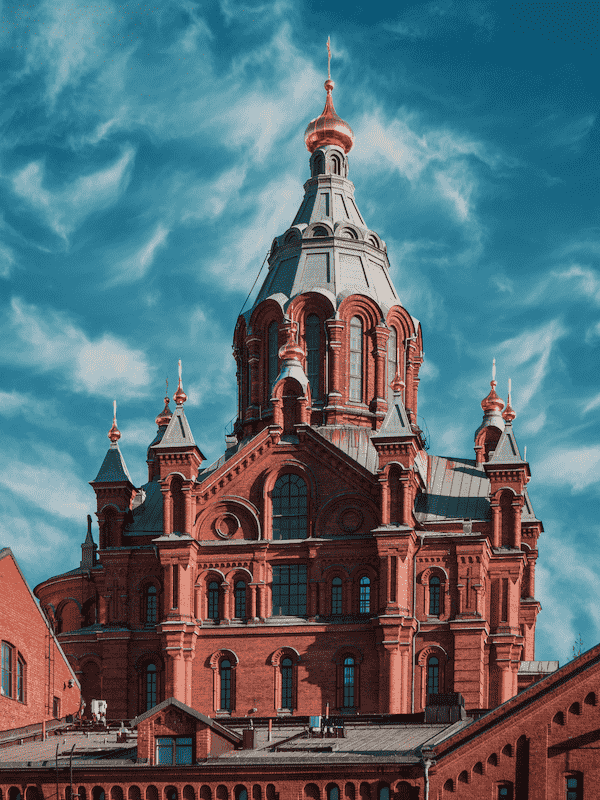
The orthodox cathedral in Pormestarinrinne is the best place to observe Russia’s century-long involvement with Finland. You’ll notice the Russian influence in the church’s red-brick towers and golden cupolas. Sitting on a rise in the harborside neighborhood of Katajanokka, it’s still western Europe’s largest orthodox church.
One of Helsinki’s churches has a rock altar dating back to the Ice Age.
Quarried out of natural bedrock, Temppeliaukio is partially underground and is perhaps Europe’s most unusual church. Designed in the late 1960s, Helsinki’s Rock Church features a copper dome with a skylight and an altar that’s carved from rock dating back to the Ice Age. Located north of the city’s Hietaniemi area, you can visit the church for a small fee. Sunday morning services are free.
Helsinki is home to Finland’s first elevator.
Helsinkian native Carl Kämp dreamed of opening a luxury hotel. He hired an architect and the hotel was finished in 1887. The modern hotel was ahead of its time and became the first hotel in Finland to have an elevator. The hotel also featured electric lighting.
Helsinki has some of the world’s cleanest tap water.
Provided by the 75-mile-long (120-km) Päijänne Water Tunnel, the city’s water tap water supply is noted for its superior quality. It’s so good the water is exported to other countries. The water tunnel is also one of the longest uninterrupted rock tunnels in the world.
Helsinki and Finland have stricter rules for alcohol than most places.
Mild alcoholic beverages such as beer and cider with an alcohol content of no more than 5.5 percent are sold in grocery stores and gas stations. Stronger wines and liquors must be bought at special alko-shops. The age limit for purchasing and drinking any alcoholic beverage is 18. The minimum age to get in pubs and clubs is also 18, or higher in some places.
The waterfront in Helsinki is seven kilometers long.
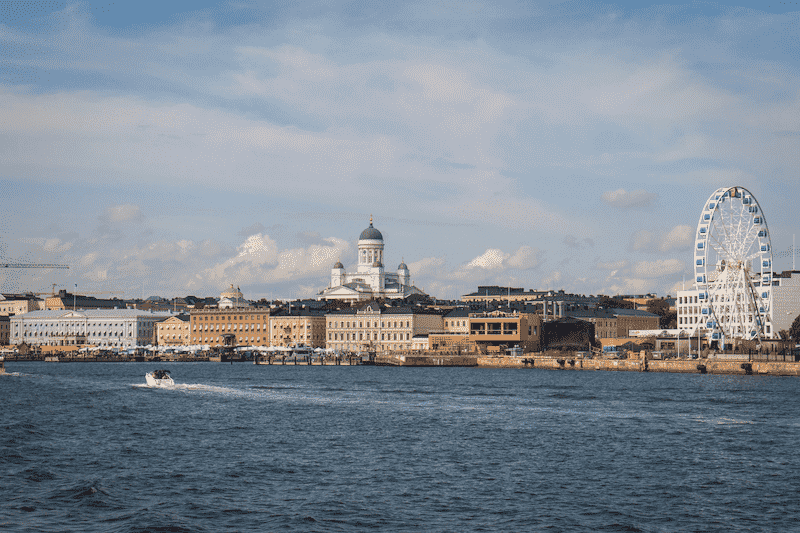
One of the best ways to experience the beauty of Helsinki is by visiting the seven-kilometer-long (4.3 miles) waterfront trail. It begins on the eastern side of the Peninsula at Hietaniemi Beach, a sandy bay on the Gulf of Finland. The trail winds through parks and near the Prime Minister’s summer residence.
The sauna culture in Helsinki is thriving.
The locals in Helsinki firmly believe in the health benefits of saunas as does the rest of Finland. The nation has about three million of them! They go to the gender-segregated public saunas to relieve stress, insomnia, and to improve blood circulation by getting their skin gently whipped with a vihta, a leafy silver birch.
Heavy metal music is popular in Helsinki.
Known for its heavy metal scene, Helsinki has dozens of bars featuring gigs by heavy metal artists just about every night. Every June and July since 1998, the Tuska Open Air Festival has attracted avid heavy metal fans from around the world. At other times, the Kallio district is the place to go for headbanging and downing cheap beer.
One of northern Europe’s best-known outdoor markets is in Helsinki.
Located at the eastern end of the Esplanadi, an urban park, the city’s Market Square (Kauppatori) is one of the most popular outdoor markets in northern Europe. The market sells Finnish foods, flowers, and souvenirs. The market stalls are protected by tents in winter.
Helsinki is home to one of the world’s oldest zoos.
The Korkeasaari Zoo was founded in the 1880s. In addition to being one of the oldest in the world, the zoo holds honors for its breeding program for endangered species and its natural habitats design. Located on an island, the zoo is accessible by ferry from May through September and by bus the rest of the year.
About the Author Anna Timbrook
Anna is the co-owner of expert world travel and can't wait to share her travel experience with the world. With over 54 countries under her belt she has a lot to write about! Including those insane encounters with black bears in Canada.

